Smoking and Dental Implants: What Every Patient Should Know Before the Treatment
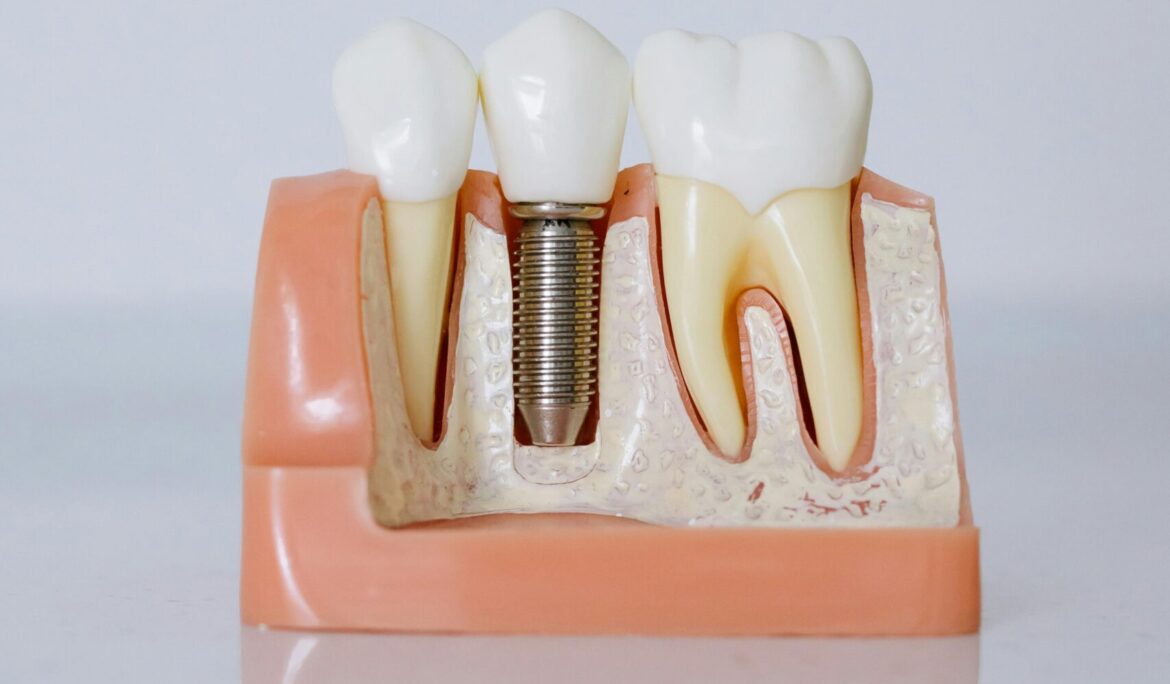
Dental implants are one of the most reliable and long-lasting solutions for replacing missing teeth. This is because they restore the look of the smile, improve chewing ability, and help maintain jawbone health. However, lifestyle habits can greatly change the implant success, and one of the biggest issues is smoking. Therefore, knowing the connection between smoking and dental implants is important because it can disturb the healing, decrease blood circulation, slow the recovery time, and increase the risk of infection or implant failure. Since dental implants are supported by healthy gums and strong jawbone for proper healing, tobacco use can negatively impact long term results and overall oral health.
Smoking and dental implants: Why smoking increases the risk of implant failure
The connection between smoking and dental implants is supported by years of dental research. Moreover, this is because smoking affects blood circulation throughout the body, including the gums and jawbone. Dental implants need a healthy blood flow to heal properly after surgery and to join with the jawbone through a process called osseointegration. However, when smoking decreases the oxygen supply and slows circulation, the body has a hard time to heal effectively. Therefore, increasing the risk of implant failure.
Additionally, nicotine also narrows blood vessels, which means decreased nutrients and less oxygen reach the surgical site. As a result, smokers are more likely to get infections, gum inflammation, bone loss, and implant instability compared to non-smokers. Many people thinking of implant treatment in Wallan are recommended to decrease or stop smoking. This is because it can greatly improve your implant success rates and overall oral health results.
How smoking affects healing and gum health after dental implant surgery
Healing is one of the most important phases of dental implant treatment. This is because the surrounding tissues need time to recover and join with the implant surface. However, smoking interferes with this process by bringing harmful chemicals into the mouth that irritate the gums and delay tissue repair. Moreover, smokers also tend to develop more plaque and bacteria around the implant area. Therefore, increasing the risk of infection and inflammation. In addition, smoking weakens the immune system. In return making it harder for the body to fight bacteria and heal properly after surgery.
Alternatively, patients who continue smoking after implant placement may go through increased swelling, discomfort, bleeding, delayed healing, or even implant failure in severe cases. People planning dental implant treatment in Mernda should understand that avoiding smoking will improve their recovery and long term implant stability.
Smoking, gum disease, and long term implant complications
Smoking not only disturbs the healing after surgery but also increases the risk of gum disease. This is one of the most important causes of implant complications. Smokers are more likely to develop plaque buildup, gum inflammation, and infections around both natural teeth and dental implants. Moreover, a serious condition called peri-implantitis can show up when the tissues around the implant become inflamed and infected. Therefore, eventually leading to bone loss if left untreated.
Additionally, common signs of implant related complications may include swollen gums or bleeding around the implant. This comes along with bad breath, gum recession, discomfort while chewing, and loose implants. Smoking also damages your jawbone health by decreasing the blood supply and slowing the body’s natural healing abilities, which may lower the implant stability over time. This is why frequent dental check ups, expert cleanings, and proper oral hygiene are important for decreasing these risks and having healthy implants for years.
Conclusion: Can smokers still get dental implants?
Smokers can still get dental implants in many cases, but they may face an increased risk of complications compared to non-smokers. Moreover, dentists at Universal Smiles Dental usually check the gum health, bone density, oral hygiene habits, and smoking frequency before starting the treatment. This is to improve implant support before surgery.
Decreasing or stopping smoking before and after implant placement can greatly improve healing. Furthermore, it lowers the risk of infection, and increase the chances of long term implant success. Maintaining good oral hygiene habits, getting regular dental visits, following post-procedure instructions carefully, and eating a healthy diet can also help with better recovery and implant stability. So, contact us today and get started on your dental implant journey.
FAQs: You asked, we answered
- How does smoking affect the dental implant healing?
Smoking decreases the blood flow and oxygen supply, which slows the healing and increases the risk of infections after dental implant surgery.
- Should I stop smoking before my dental implant surgery?
Yes, stopping or decreasing smoking before and after the surgery can greatly help with better healing.
- What are the signs of dental implant complications in smokers?
Common signs of complications include swollen gums, bleeding around the implants, gum infection, gum recession, bad breath, and more.