

Grinding Teeth at Night: Causes, Effects, and Dental Care
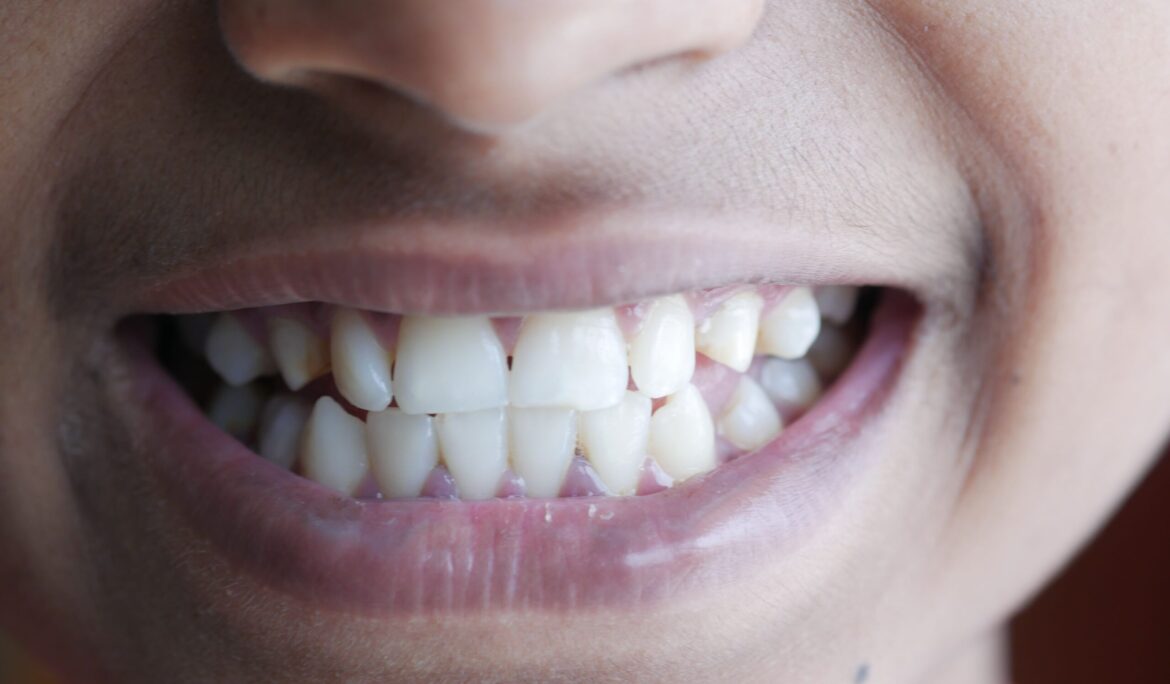
Grinding teeth at night can occur without you noticing it. Moreover, individuals clench or grind their teeth while sleeping, putting stress on the jaw and surrounding muscles. Therefore, some people wake up with a painful jaw or headache. Others notice tooth sensitivity or enamel wear on the surfaces. Grinding may happen sometimes, but regular episodes can cause dental problems over the years. Furthermore, stress and anxiety can sometimes add to the clenching. Also, sleep issues, some medicines, and lifestyle factors may also play a big part.
Alternatively, a partner may notice clicking or grinding sounds during the night. However, you might not remember these episodes in the morning. This is why dental signs can be very useful. They may reflect a problem that is otherwise easy to miss. Additionally, regular check ups can help diagnose changes before they become more obvious. Pay attention to frequent symptoms and changes in how your teeth feel after waking each morning. Understanding the signs can help you decide when to get proper dental help. Early attention may help decrease further wear and protect your teeth.
What causes grinding teeth at night?
Grinding teeth at night is usually linked to involuntary jaw activity during sleep. However, the exact reason can differ from person to person. Moreover, stress may increase muscle tension and cause clenching. All the while some people may also grind because of sleep related issues. Furthermore, some medicines or substances can also sometimes be a leading factor.
It is important to note that caffeine, alcohol, and smoking may affect sleep patterns and jaw activity in some people. This comes along with dental factors that may also need evaluation. A dentist in Mernda can check for signs such as flattened tooth surfaces, tiny cracks, sensitivity, or tenderness around the jaw. They may also ask you about frequent headaches, sleep quality, and daytime clenching. Alternatively, understanding the possible triggers can help guide the next steps.
Signs your teeth may be grinding
Grinding can show several signs, even when it happens during sleep. You may wake with jaw stiffness or facial soreness. Moreover, morning headaches are another possible sign. Some people also see increased tooth sensitivity when eating or drinking. Additionally, the teeth may develop worn or sharp small edges. Your current fillings or dental restorations may get damaged. Therefore, if you are looking for an expert dentist in Bundoora, mention these symptoms during your visit to the clinic. A dental professional can check the teeth and jaw for signs of constant pressure. They may also ask whether a partner has complained of you grinding during sleep. Keeping track of when symptoms appear can offer useful information.
How can you protect your teeth?
Treatment depends on the cause and seriousness of the problem. A dentist may advise a custom mouthguard to protect the teeth during sleep. Therefore, this can create a barrier between the upper and lower teeth. Moreover, it may help decrease the damage from repeated contact. However, a mouthguard does not usually help with every underlying cause of grinding.
Alternatively, managing stress and improving sleep quality may also be helpful for some people. Cutting down on caffeine and alcohol, especially later in the day, may support better sleep. If you need a dental advice, discuss any jaw pain, sensitivity, or tooth wear during your visit. Your doctor can decide whether further assessment is needed. Remember, do not use a poorly fitting guard without proper advice, as the wrong device may be uncomfortable and cause more damage.
Conclusion: When to see a dentist about grinding
Grinding can be hard to notice because it usually happens while you sleep. However, constant pressure can slowly damage your teeth and jaw. Moreover, worn enamel, cracks, sensitivity, headaches, and morning jaw pain are signs worth talking about with a dental expert. An examination can help diagnose the real cause. Additionally, your dentist can then explain suitable options based on your symptoms and dental health. Treatment may include a custom mouthguard, changes to every day habits, or further assessment when another problem is observed.
Universal Smiles Dental can help patients look through the major signs of grinding and discuss appropriate dental care. Therefore, do not wait for serious tooth damage before getting the right care. Early assessment with regular check ups can help you know what is happening and how to protect your smile.
FAQs: Questions worth asking
- Why do some people grind their teeth while sleeping?
Stress, sleep issues, certain medicines, and lifestyle factors may cause grinding. - Can grinding teeth damage them?
Yes, repeated grinding will wear down the enamel wear causing sensitivity and cracks. - Can a mouthguard stop teeth grinding?
Yes, a properly fitted mouthguard can protect teeth from contact and damage, but it may not manage every underlying cause.