Personalized Dental Care: What to Expect From Your Dental Visits
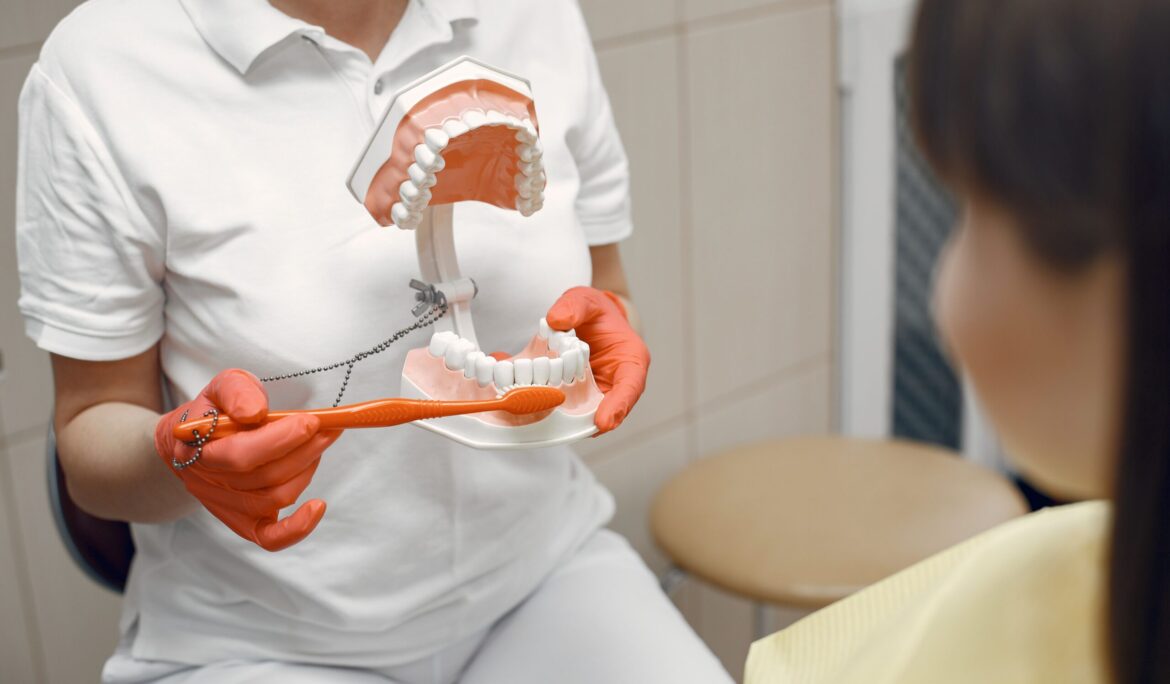
Personalized dental care involves getting dental attention based on your oral health, concerns, habits, and treatment needs. Every smile is different and unique in its own. Therefore, some people may need regular preventive check ups, while others may receive treatment for specific dental concerns. A dental appointment should start with an understanding of your existing oral health. Moreover, your dentist may examine your teeth and gums. Additionally, asking questions about symptoms and reviewing your dental history to locate areas that need quick attention.
Good dental care is not only about treating issues after they show up. Regular examinations can help diagnose the changes early. They can also support good oral habits and long term health. Alternatively, discussing concerns openly with your dental professional can make appointments more useful. It gives your dentist a better understanding of what you need.
What does personalized dental care involve?
Personalized dental care starts with an in depth check of your individual needs. Your dentist may look for cavities, gum problems, enamel wear, sensitivity, and other changes. Moreover, they may also ask about your brushing routine, diet, previous dental treatment, and any discomfort you have felt lately. For patients looking for the top dentist in Mernda, it is useful to choose a dental clinic that takes time to understand their concerns.
Additionally, it is important to remember that treatment recommendations can differ from person to person. One patient may need an expert cleaning and improved home care. Another may have to get restorative treatment or further examination. Your dentist can explain the findings and discuss the best options. This approach can help you learn why a specific treatment may be advised.
Why individual dental needs matter
Your oral health can change over time. Moreover, previous dental treatment, age, daily habits, and lifestyle can all affect your needs. Therefore, the same dental routine may not work equally well for everyone. A dentist may advise different cleaning techniques or visits based on your oral health. If you are looking for a dentist in Mill park, do consider discussing any changes you have noticed. These may include tooth sensitivity, bleeding gums, jaw pain, or changes in your bite. Sharing these details can help your dentist evaluate them properly.
Additionally, preventive care also plays an important role. Regular check ups will identify early signs of decay or gum problems. Professional cleaning can clear off deposits that brushing may not fully remove. Together, these steps can support healthier teeth and gums.
Supporting your oral health between visits
Dental care continues at home between professional appointments. Brushing twice a day can help clear the plaque from tooth surfaces. Moreover, cleaning between the teeth can reach areas that a toothbrush may miss. Fluoride toothpaste can also help protect against tooth decay. Your dentist may advise specific products or ways depending on your needs.
Additionally, diet can also affect oral health. Frequent sugary snacks increase the risk of decay. All the while drinking water and limiting sugar exposure can support better dental habits. Also, it is worth noting that avoiding tobacco offers great benefits to your mouth and gums. If you notice a new symptom, do not wait for your next dental visit to discuss it. Early dental advice can help clarify the cause.
Conclusion: Building better dental health
Good dental care starts with knowing your individual oral health needs. Moreover, regular examinations allow your dentist to track any changes and identify concerns. They also offer an opportunity to discuss questions about your teeth and gums. Furthermore, preventive care, professional treatment, and good home routines can all work together.
Universal Smiles Dental provides dental services with attention to specific patient needs and concerns. A dental appointment with us can help you understand your current oral health and discuss appropriate next steps. Therefore, do not wait until discomfort becomes severe before getting the right advice. Regular visits can help you stay aware of changes and keep a good oral hygiene. However, if treatment is needed, discussing your options with a dental expert can help you understand what is involved. With regular and good daily habits, you can support your health for years to come.
FAQs: You asked, we answered
- What does personalized dental care mean?
It means dental advice and treatment are made for your individual oral health, concerns, history, and needs. - How regularly should I visit a dentist?
Your advised appointment schedule depends on your oral health and your dentist’s baseline evaluation. - What should I do between dental appointments?
Brush twice daily, clean between your teeth, cut down on frequent sugar exposure, and follow your dentist’s tips.