Relationship between Diet and Oral Health: What You Eat Affects Your Smile
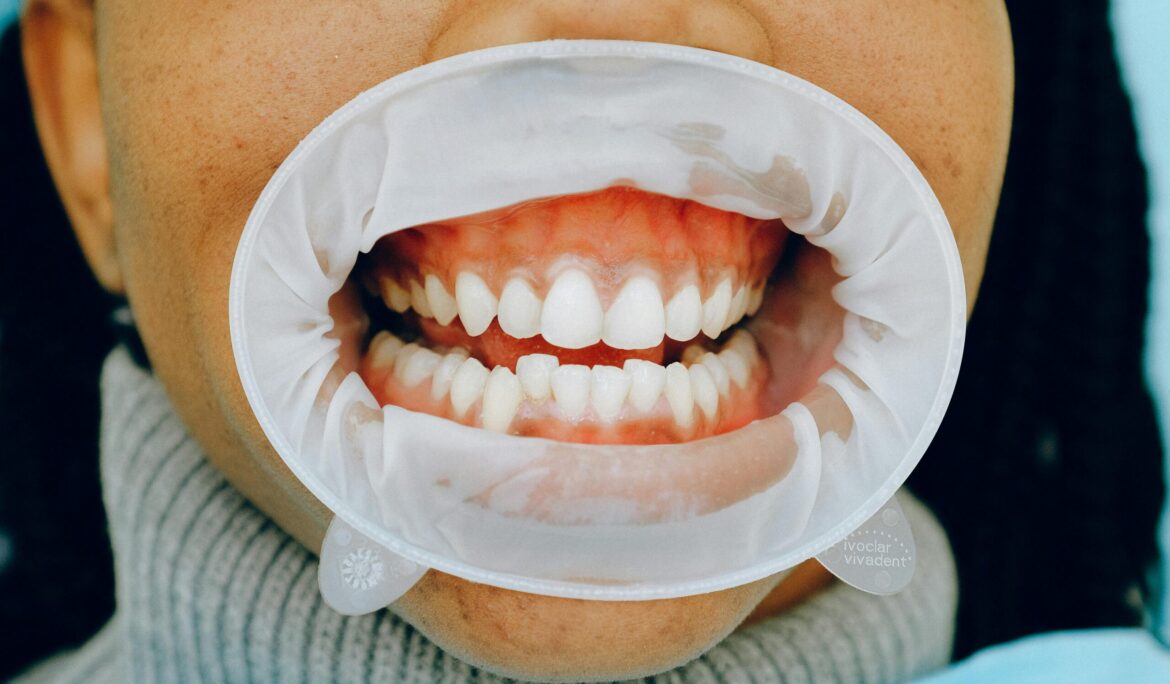
A healthy smile is not just because of daily brushing and flossing, but it also greatly depends on what you eat every day. Therefore, the relationship between diet and oral health has an important role in deciding the strength of your teeth. Moreover, it shapes the health of your gums, and the overall condition of your mouth. At Universal Smiles Dental, we always educate patients on how food choices can protect or damage their oral health. Furthermore, while professional dental care is necessary, your diet works more every single day, affecting your smile.
Learning about the relationship between diet and oral health
The relationship between diet and oral health starts from the moment food enters your mouth. Therefore, everything you eat and drink works with your teeth, gums, and oral bacteria. Moreover, some foods help your teeth and gums, while others bring bacteria that cause cavities, gum disease, and enamel wear. Your mouth is home to thousands of bacteria. Some are good, but others feed on sugars and starches, making acids that damage the tooth enamel. Furthermore, over time, frequent acid damage weakens enamel, leading to cavities and sensitivity. This process shows why diet is just as important as brushing and flossing when it comes to having good oral health.
A balanced diet offers all the necessary vitamins and minerals that help keep strong teeth and healthy gums. Calcium, phosphorus, vitamin D, vitamin C, and protein all play an important role in supporting oral structures. Alternatively, people who maintain healthy eating habits usually get less dental problems and have stronger and brighter smiles.
How diet directly affects your teeth and enamel
What you eat every day has a direct and long lasting effect on your teeth and enamel. Sugar rich foods are one of the most common causes of dental problems because oral bacteria live on sugar and change it into acid. Moreover, this acid attacks tooth enamel again and again. Therefore, damaging its protective layer and increasing the risk of cavities, tooth decay, and plaque buildup. Furthermore, soft drinks, candies, pastries, flavored yogurts, breakfast cereals, and even packaged fruit juices usually have high sugar that slowly damages teeth over time.
Additionally, sticky sweets are very dangerous because they stick to tooth surfaces. They then stay in contact with enamel for a long time, helping bacteria to produce more acid. Decreasing sugar use doesn’t mean removing fun from your life. However, it means making better diet choices and limiting sugary snacks between meals. Alternatively, washing your mouth with water after having sweets can also help decrease acid damage. People who regularly go to a dentist in South Morang usually get personalized tips on managing sugar use to protect their teeth and have healthier smiles.
Important nutrients that improve your teeth and gums
A healthy diet that is nutrient rich plays an important role in forming strong teeth and keeping gums healthy. Calcium and phosphorus are necessary minerals that help make enamel and support the jawbone that holds teeth properly in place. Moreover, dairy products such as milk, cheese, and yogurt are very good sources. This comes along with leafy greens, almonds, tofu, and fortified foods. Furthermore, cheese is greatly helpful because it neutralizes acids in the mouth and increases saliva production. Saliva naturally cleans teeth and washes off bacteria.
Additionally, vitamin D is also very important, as it helps the body to absorb calcium better and add to overall oral strength. Remember, vitamin C supports gum tissue by increasing the collagen production and decreasing inflammation. Therefore, poor nutrition can increase the risk of gum disease, sensitivity, and tooth loss. At Universal Smiles Dental, we help patients with proper nutrition and regular dental care by dentist in Wallan.
Conclusion: Smart eating habits for long term oral health
Having good oral health is not just about food choices but also about eating habits. Regular snacking damages teeth because of frequent acid attacks, giving enamel little time to repair between meals. Moreover, even healthy snacks can add to dental issues if eaten too regularly throughout the day. Therefore, spacing meals helps saliva to neutralize acids and repair early enamel damage naturally. Furthermore, drinking more water also plays an important role in oral health. This is because water helps wash away food particles, increases saliva production, and helps with dry mouth. Understanding the relationship between diet and oral health will help people in making better lifestyle choices that protect their smiles. Consult Universal Smiles Dentaltoday and start your journey for a brighter and healthier smile.