What Happens to Your Mouth as You Get Older?
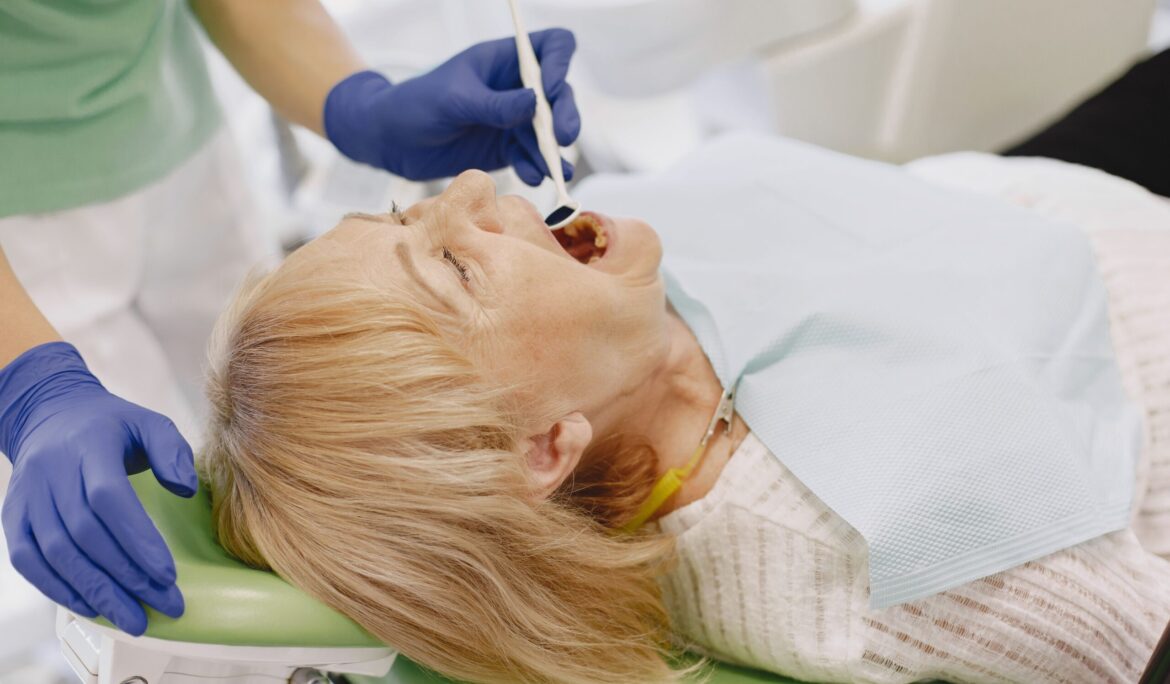
As the years go by, your mouth can change in ways that influence your comfort, looks, and daily habits. Moreover, you may notice dry mouth, sensitive teeth, gum changes, or a hard time chewing. These changes do not happen to everyone. Furthermore, many can be managed with good oral hygiene routine and regular dental check ups. Therefore, understanding what happens to your mouth as you get older helps you identify the concerns early. It also helps you protect your teeth and gums as part of your overall wellbeing.
Understanding what happens to your mouth as you get older
Age alone does not mean you will lose all of your teeth. These effects differ from person to person. Moreover, genetics, diet, smoking, all play a big part. Some people keep strong teeth well into later life, while others need added support because of dry mouth or gum disease. Therefore, if you are wondering what happens to your mouth as you get older, remember that changes should be checked in time rather than assumed to be unavoidable.
Additionally, years of chewing, brushing, and exposure to acidic foods can also damage the enamel. Enamel does not grow back once it wears away, so protecting it is important. Gums may also recede, exposing the roots and making teeth more sensitive. Alternatively, some adults develop dry mouth because of medicines or health issues. Less saliva can make speaking and swallowing uncomfortable. It can also increase the risk of tooth decay, since saliva helps wash away food and neutralize acids. A top dentist in Mernda can check these changes. Also, they will explain what is normal, and recommend the best ways to protect your mouth.
Common oral changes to look out for
Several changes need attention as you grow older. Gum bleeding, constant bad breath, loose teeth, and pain when chewing should not be ignored as signs of normal ageing. Moreover, receding gums can expose tooth roots, which are more sensitive to decay than enamel. Old fillings, crowns, and other dental work may also wear down or become damaged over time. Therefore, if you have dentures, changes in your gums or jaw may affect how they fit. A dentist in Mill Park can check for discomfort and help identify its causes. Furthermore, avoid delaying an appointment if a painful lump or ulcer does not heal within two weeks. Early assessment can help identify problems before they become more difficult to treat.
Habits that help keep your mouth healthy
Daily habits make a noticeable difference at every age. Therefore, brush twice a day with fluoride toothpaste and use a soft bristled toothbrush. Moreover, clean between your teeth daily with floss or interdental brushes. Drink water regularly, especially if your mouth feels dry. Alternatively, limit sugary snacks and drinks, and avoid frequent sipping of acidic beverages. If you use tobacco, ask a health expert for support to stop.
Additionally, keep getting regular dental check ups, even when nothing hurts. This is because some problems start without obvious symptoms. Tell your dentist about medicines that may cause dryness and any changes in your health. A dentist in Doreen can also advise you on cleaning dentures, ways to protect sensitive teeth, and getting products that fit your needs.
Conclusion: Protect your smile as you age
Getting older does not mean poor oral health is unavoidable. The right habits, regular check up visits, and early attention to changes can help you keep your natural teeth good enough for a long time. Moreover, whenever you notice new sensitivity, dry mouth, bleeding gums, or difficulty chewing, get advice rather than ignoring them. Additionally, keep brushing and cleaning between your teeth every day, and ask questions during dental appointments. Your needs may change over time, so your oral care routine may need to change as well. For advice fit to your stage of life, Universal Smiles Dental can help you understand your options better and maintain a healthy smile.
Frequently asked questions
How regularly should older adults visit a dentist?
Many people usually benefit from check ups every six months. However, your dentist may advise a different schedule based on your oral health needs.
Will ageing usually always cause tooth loss?
No, tooth loss is not an inevitable part of ageing. It is important to remember that good oral care and on time treatment helps protect natural teeth.
Why does my mouth feel dry as I get older?
Dry mouth can be linked to medicines, health issues, or decreased saliva production, so discuss ongoing symptoms with your dentist as soon as possible.