Oral Cancer Symptoms: Early Danger Signs You Should Never Ignore
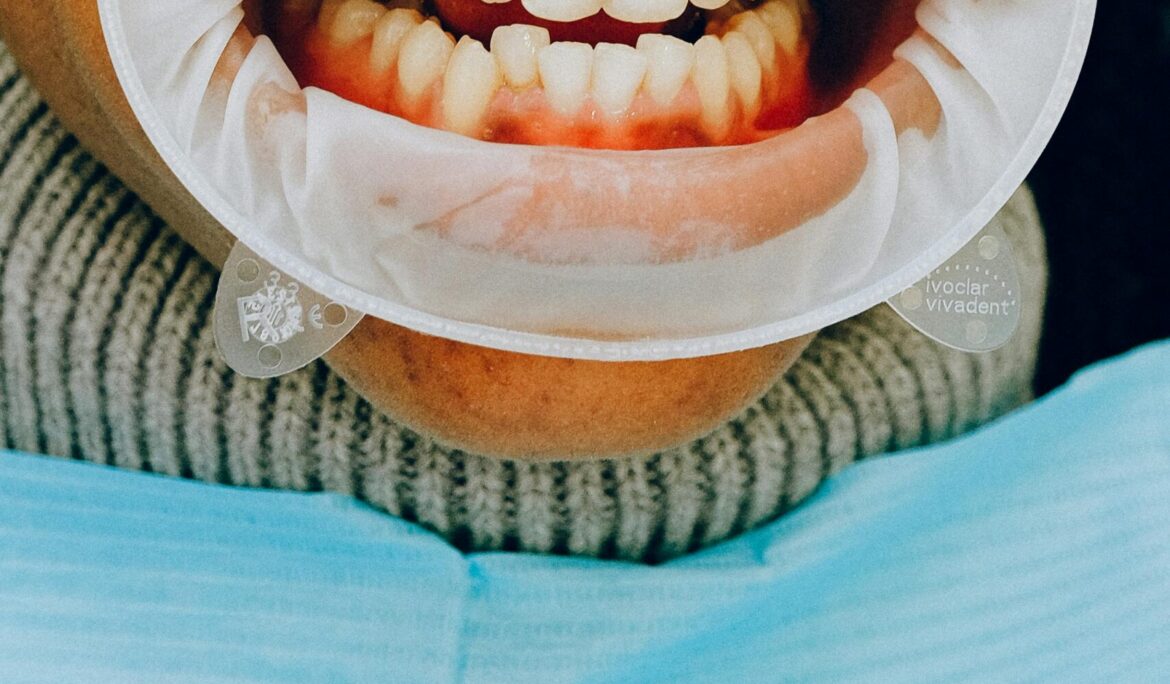
Oral cancer is a serious health disease that can affect the lips, tongue, cheeks, gums, and throat. Therefore, early diagnosis plays an important role in successful treatment. Moreover, learning about oral cancer symptoms can help people see warning signs before the disease gets to advanced stages. At Universal Smiled Dental, we know that patient education is just as important as expert care, because on time dental visits can save lives. Many people don’t notice the small changes in their mouth. However, frequent mouth sores, unusual lumps, or unexplained pain may point to something more serious.
Understanding oral cancer symptoms and why early diagnosis matters
Noticing oral cancer symptoms early can make a life changing difference in the treatment results. Oral cancer usually starts slowly. It shows mild symptoms that can sometimes be mistaken for common dental issues. Moreover, these symptoms may not come with sudden pain. Alternatively, this is why many people do not go for expert dental check up. Therefore, it is important to understand that oral cancer symptoms may show up as small changes in the soft tissues of the mouth. Furthermore, these can include red or white marks and patches, thick areas of skin, or sores that do not go away within two weeks. This is why visiting a dental expert regularly will ensure that such changes are checked properly. Especially true during regular oral screenings done at Universal Smiled Dental.
One of the most common oral cancer sign is a mouth sore that does not go away. Although many sores are harmless, those that stay for weeks should never be ignored. Additionally, these sores may start bleeding easily or feel hard when touched. Another warning sign is pain or tenderness in the mouth, lips, or throat without a clear cause. Some people feel a burning sensation or numbness, which may slowly increase over time. Having a hard time chewing or swallowing can also mean dangerous tissue growth that needs quick dental care.
Small changes, pain, and functional danger signs
Oral cancer symptoms usually include visible changes that people can notice themselves, making self education very important. Moreover, dentists commonly see white patches called leukoplakia or red patches called erythroplakia inside the mouth as early signs. These patches usually do not cause pain, so people will ignore them. Additionally, swelling lumps, or thick areas of skin in the cheeks, gums, or lips can mean oral cancer. This is especially true when changes in lip color, cracking, or bleeding are also seen. Furthermore, frequent pain in the jaw, tongue, or throat which may move to the ears is another important sign. This comes along with difficulty speaking clearly, chewing food, or moving the tongue easily, disturbing daily life.
Therefore, regular dental checks play an important role in diagnosing oral cancer symptoms before they become serious. During routine checkups, dentists properly check the soft tissues of the mouth, tongue, throat, and gums to see for changes that patients may not see on their own. Small warning signs can be seen by a trusted dental expert, such as a dentist in Donnybrook, and further tests can be advised when needed. Some lifestyle and health related risk factors increase the chances of oral cancer. This includes tobacco use, increased alcohol use, high sun damage to the lips, poor oral hygiene, and some viral infections such as HPV. People who have received procedures like tooth extraction in Epping should also get follow up visits. This is because healing areas must be checked closely for any unusual changes.
Conclusion: Diagnosis, treatment, and prevention of oral cancer
When oral cancer symptoms are noticed, dentists may tell you to get a number of tests to ensure proper detection. These may include in depth visual examinations, palpation of oral tissues, the latest imaging studies, and biopsies to confirm the growth of cancerous cells. This is because early diagnosis greatly improves survival chances. Moreover, it also helps with getting less difficult treatment options. All the while late detection may need more serious treatment plans such as surgery, radiation therapy, or chemotherapy. Furthermore, preventive measures play an important role in decreasing risk and include avoiding tobacco products, stopping alcohol use, having proper oral hygiene, and getting regular dental checkups. At Universal Smiled Dental, a great work on patient education, early diagnosis, and effective oral checkup helps protect both oral health and overall wellness.