

Is Invisalign Painful? Everything You Need To Know by Universal Smiles Dental
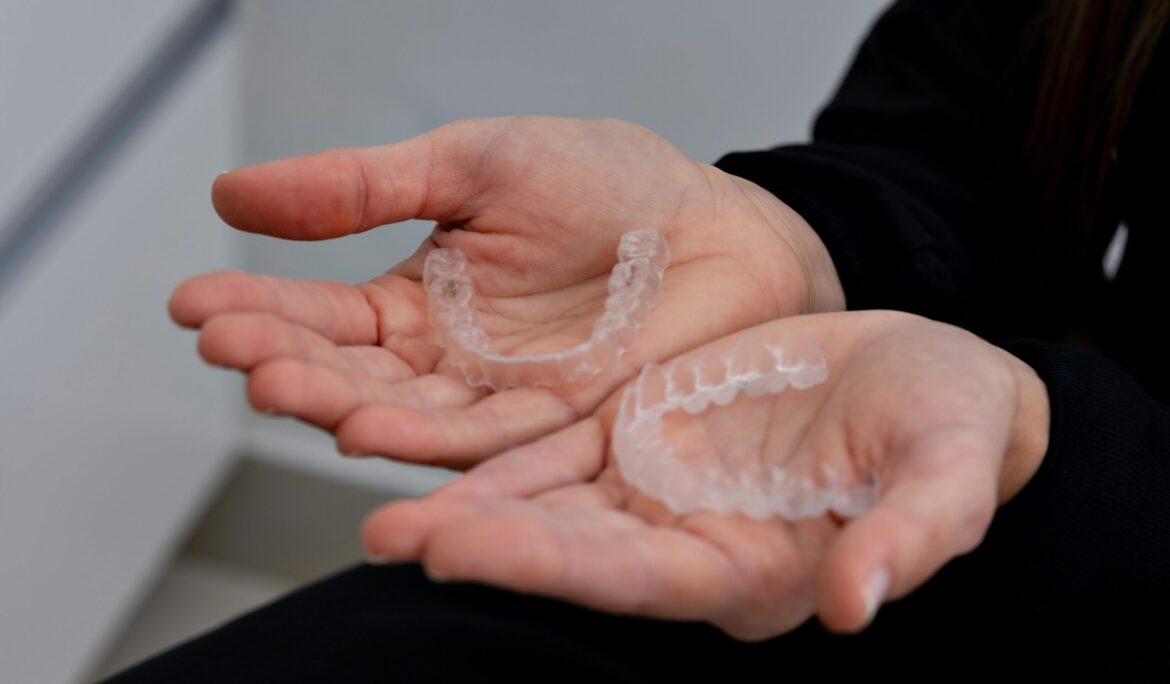
When thinking of getting clear aligners, one of the most common questions people ask is: is Invisalign painful? Many patients wish to improve their smile but feel unsure about the level of discomfort it will cause. Therefore, at Universal Smiles Dental, we understand these issues and work to offer clear, effective information so you can make the right choice with confidence. Moreover, while Invisalign is greatly known for being more comfortable than traditional braces, it is still important to know that some level of mild discomfort can be seen during the treatment process.
Is Invisalign Painful? Understanding the basics
To correctly answer is Invisalign painful, it helps to first learn how Invisalign works. This treatment uses a number of clear, custom made aligners. Moreover, these slowly move your teeth into the correct position over time. Each aligner is made to use controlled pressure on specific teeth, which is necessary for getting the right alignment. Furthermore, because of this slow movement, patients may feel some pressure or tightness. This is especially true when they move to a new set of aligners.
However, this discomfort is usually very less and short term. Unlike metal braces, Invisalign aligners are smooth and do not have wires or brackets that will irritate your cheeks or gums. Additionally, patients who choose Invisalign treatment in Mernda share that the experience is much more comfortable than they thought. The important part is following your doctor’s advice throughout the treatment.
What kind of pain or discomfort is normal?
When asking is Invisalign painful, it is helpful to know the type of discomfort you may go through during the treatment. Most patients do not say that Invisalign is painful. However, it feels like a gentle pressure on the teeth, especially when starting a new set of aligners. Moreover, this pressure is actually a positive sign because it shows that your teeth are moving with the treatment plan. During the first few days, you may feel little numbness when chewing or biting, but this goes away as your teeth adjust.
An expert dentist in Mernda will always reassure you that this phase is completely normal and short term. Furthermore, over time, most patients become comfortable with their aligners and don’t even notice them. Additionally, some patients may feel some tightness when inserting or removing the aligners. This is also a normal part of the process. Alternatively, this feeling usually decreases as your teeth slowly shift into place. Staying regular with wearing your aligners will end your discomfort and improve results.
Why does Invisalign cause discomfort and how long will it last?
Invisalign works by using controlled force to slowly shift your teeth into their right positions. This process affects the surrounding bone and tissues. Moreover, it can lead to short term sensitivity or mild numbness. As your teeth start to move, your mouth gets used to the changes, and this adjustment phase is what causes the discomfort. However, the good news is that this discomfort is short lived. Most patients feel it for only one to three days after getting new aligners. Furthermore, those getting Imvisalign treatment in Mernda usually find that as their treatment progresses, the discomfort becomes easier to manage.
Additionally, over time, your teeth and gums get used to the pressure. Therefore, making each new aligner feel more comfortable than the last. It is also important to follow your dentist’s instructions properly to not get any unnecessary pain or delays in treatment. Regular dental visits ensure that everything is working smoothly and comfortably.
Conclusion: Invisalign after care, side effects, and long-term benefits
Many people still think is Invisalign painful when comparing it to traditional braces. However, you need to remember that Invisalign is generally more comfortable and easier to use than other orthodontic procedures. Moreover, it does not use metal brackets or wires. These parts can most commonly cause painful ulcers or swelling within the mouth. Furthermore, the aligners are smooth and custom made for every patient. Therefore, decreasing the chances of cuts or sores.
However, some patients may see some small side effects. These include a short-term lisp (change in speech) or increased saliva. Additionally, some may also feel slight dryness in the mouth. These issues usually go away within a few days on their own. Mild discomfort can also be a sign that the treatment is working. An expert dentist will make sure that each patient gets a customized treatment plan. This will help keep you comfortable and stress free during the treatment process.