Cleaning of Teeth at Dentist: Things You Need to Know
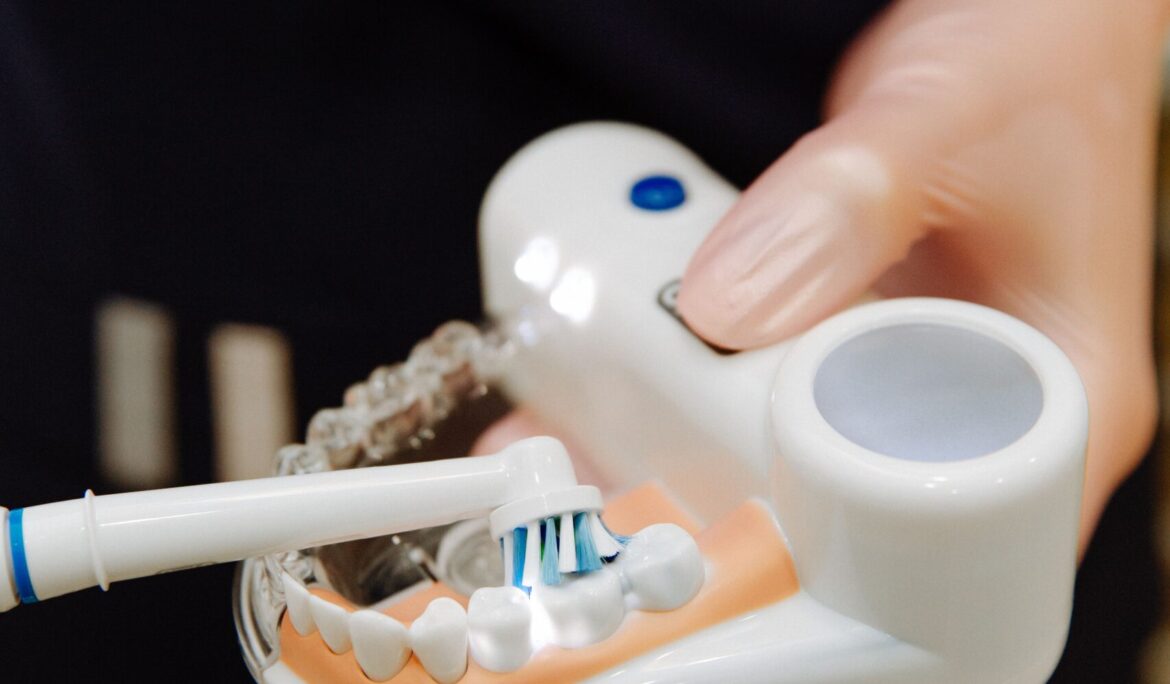
Cleaning of teeth at dentist is an important part of having healthy teeth and gums. Moreover, while brushing and flossing at home help remove daily plaque and food particles, some buildup can stay in areas that are difficult to clean. Over time, plaque can harden into tartar. This is something which cannot be removed effectively with a regular toothbrush. Therefore, expert teeth cleaning helps remove tartar, plaque, and surface stains while helping with better gum health and fresher breath.
Additionally, regular cleaning can also help dental professionals diagnose potential oral health concerns. This is true before they become more complex. A professional cleaning can leave the teeth feeling smoother and cleaner, making daily brushing easier. It is also a useful chance to talk about any changes in your oral health with a dentist.
Why is cleaning of teeth at dentist important?
Cleaning of teeth at dentist helps remove hardened tartar and plaque that daily brushing may not be able to do. Moreover, tartar usually forms around the gumline and between teeth. This is where bacteria can accumulate and contribute to gum irritation. Therefore, during expert cleaning, specialised dental instruments are used to effectively remove these deposits. It is then followed by polishing to help remove some surface stains. So, if you are looking for a dentist in Mernda, regular professional cleaning can be an important part of maintaining your oral hygiene. Furthermore, it helps keep your teeth and gums in better condition.
Alternatively, removing accumulated deposits can make it easier to maintain your teeth between appointments. It may also help decrease the conditions that allow harmful bacteria to remain around the gums. Regular cleaning, combined with proper home care, can support healthier gums. This will in turn decrease the likelihood of plaque becoming difficult to manage.
What happens during a professional teeth cleaning?
A professional cleaning usually starts with an examination of the teeth and gums to locate plaque, tartar, staining, or signs of inflammation. Moreover, the dental professional then performs scaling to remove hardened deposits from the tooth surfaces and around the gumline. After scaling, polishing may be done to smooth the teeth and decrease some external stains. Flossing or interdental cleaning may also be included to remove remaining debris. Furthermore, depending on your oral health, the top dentist in Mill Park may offer tips on brushing, flossing, and maintaining your teeth between appointments.
Therefore, the process is usually simple and can be completed during a routine dental visit. Some people may feel mild sensitivity. This is particularly true if there is significant tartar buildup or existing gum sensitivity. Letting the dental professional know about discomfort can help make the appointment more stress free.
How regularly should you have your teeth cleaned?
The recommended frequency of professional cleaning depends on your individual oral health. Some people may benefit from a routine cleaning around every six months. All the while others may need appointments more frequently due to tartar buildup, gum problems, or other risk factors. Moreover, regular cleaning should be combined with brushing twice a day. This comes along with cleaning between the teeth, limiting frequent sugary foods and drinks, and getting routine dental examinations.
Therefore, if you need ongoing dental care, discussing your cleaning schedule will help decide what is appropriate for you. People who develop tartar quickly may need more frequent dental appointments. Those with a history of gum problems may also need closer monitoring. Alternatively, following an appropriate cleaning schedule can help keep plaque and tartar under control and support better long term oral hygiene.
Conclusion: How can you keep your teeth clean after an appointment?
Maintaining good oral hygiene after professional cleaning helps keep plaque under control and adds to the benefits of the appointment. Moreover, brush twice daily with fluoride toothpaste, clean between your teeth every day, and avoid brushing too aggressively. Additionally, drinking water and limiting frequent sugary snacks can also support better oral health. Regular dental examinations and professional cleaning stay important because tartar cannot be removed effectively at home.
Alternatively, a soft bristled toothbrush and gentle brushing technique can help protect the gums and enamel from unnecessary irritation. Therefore, replacing your toothbrush regularly can also help maintain effective cleaning. By combining daily oral hygiene with professional dental care, you can give your teeth and gums better support between appointments. For professional teeth cleaning and ongoing dental care, Universal Smiled Dental is here to provide patients the right services for healthy teeth and gums.
FAQs: Common patient queries
1. How frequently should I get my teeth professionally cleaned?
Most people benefit from professional teeth cleaning every six months. However, your dentist may advise more frequent visits if you have heavy tartar buildup, gum problems, or other oral health issues.
2. Does professional teeth cleaning hurt?
Professional teeth cleaning is usually comfortable, although some people may experience slight sensitivity during scaling.
3. Can teeth cleaning remove stains?
Professional cleaning can remove many surface stains caused by coffee, tea, certain foods, and tobacco.
4. Can I brush normally after a teeth cleaning?
Yes, you can usually continue your normal brushing and flossing routine after a professional cleaning. However, remember to use a soft bristled toothbrush and brush gently if your gums feel sensitive.