Can Rotting Cause Stomach Problems? Learning About Tooth Decay and Your Digestive Health
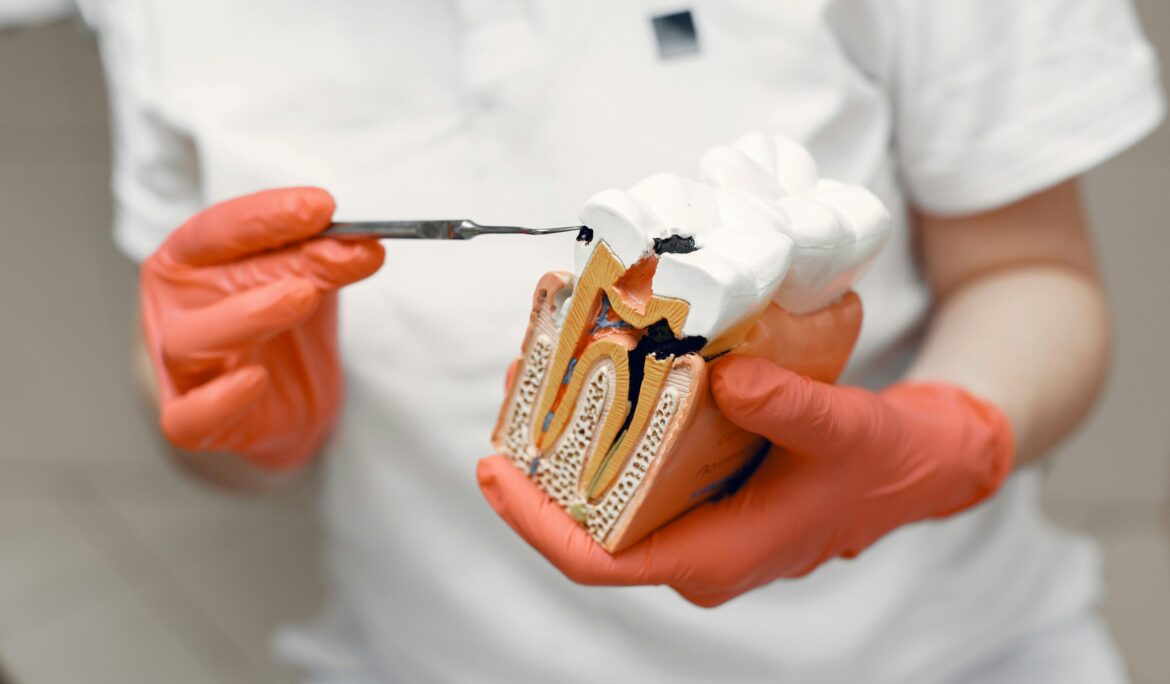
Many people don’t know how their oral health works with their overall health. Moreover, this is especially true for digestive system. A common question we usually hear is, can rotting cause stomach problems? Therefore, the truth is that when teeth start to decay, harmful bacteria increase and move to the stomach every time you swallow. This can damage the natural balance of your digestive system.
Furthermore it causes infections, and creates long term stomach problems. At Universal Smiles Dental, we always tell our patients that your oral health is linked to your whole body.
Additionally, if you feel digestive issues along with tooth pain, gum swelling, or bad breath, you may be having a problem that starts in your mouth. This is why our clinic offers expert care to all, ensuring reliable dental services.
Can Rotting Cause Stomach Problems? The Dental Health Connection Explained
You may be shocked to learn just how closely the dental health and stomach are connected. Therefore, when people ask, can rotting cause stomach problems? The answer is yes. This is because the mouth is the first part of digestion. Moreover, anything that goes inside your mouth, such as infections, rotting food particles, tooth decay, or gum disease does not just stay there. As harmful bacteria grow and increase, they enter the digestive system damaging stomach health. Alternatively, this means that untreated dental problems can cause digestive pain, bloating, and even infections.
In dentistry, rotting means issues such as tooth decay, gum disease, cavities, and infections. Moreover, rotting starts when bacteria start to feed on leftover food and make acids that break down tooth enamel. Furthermore, cavities form, gums become infected, and the number of harmful bacteria increases. As you swallow, these bacteria move into your stomach, creating health problems.
How Mouth Bacteria Move to the Stomach and Damage It
The mouth naturally has a number of different bacteria. Moreover, while many are not dangerous, problems start when rotting or tooth decay begins. Furthermore, harmful bacteria increase quickly and easily move to the stomach every time you swallow. Therefore, making the connection between the mouth and digestive system very strong and dangerous. This continuous flow of bacteria damages the stomach’s balance and usually leads to increased discomfort. Additionally, when people ask, can rotting cause stomach problems, the medical reason makes the answer very clear.
These bacteria can live through digestion and cause infections that feel like food poisoning. Therefore, this leads to nausea, stomach pain, vomiting, or diarrhea. They also upset the stomach’s natural acid level, causing reflux, bloating, and indigestion. Some bacteria like H. pylori, which are the cause for stomach ulcers, may start from an infected mouth and move down into the digestive system. Even improper chewing caused by a decayed tooth can put extra stress on the stomach. This increases gas, constipation, and discomfort. Long term infections weaken the immune system as well, making the stomach more easily damaged by irritation and inflammation. All these factors show how oral decay can have a serious, long term effect on stomach health. This is why contacting an expert dentist in Hurstbridge is necessary.
Linking Oral Decay to Digestive Symptoms and Understanding Warning Signs
Many people don’t know that their digestive problems may usually start in their mouth. However, the signs are clearer than they look. Moreover, tooth pain along with stomach problem usually show linked issues. Similarly, frequent bad breath, especially during phases of indigestion or nausea, may show that harmful oral bacteria are in the stomach. When patients with untreated gum infections or cavities feel repeated reflux or indigestion without a clear medical reason, the question can rotting cause stomach problems becomes very easy to answer.
Alternatively, acid reflux is a very common symptom. This happens as increased bacteria irritate the stomach and cause high acid production. Indigestion can also become increased because the bacteria damage the stomach’s natural environment. Therefore, slowing down digestion and creating a feeling of fullness, pressure, and burning. Gastritis may start when harmful bacteria irritate the stomach lining, causing pain, loss of appetite, and nausea. In more serious cases, patients may feel IBS-like symptoms such as constipation, diarrhea, bloating, and pain due to damaged gut lining. Understanding these warning signs helps patients know when digestive problems are due to their bad dental health.
Additionally, it helps the dentist in Beveridge find a solution quickly.
Conclusion: Protecting Digestive Health With Expert Dental Care
The best way to stop stomach problems caused by rotting teeth is to have good oral hygiene and dental care. Moreover, brushing twice daily, flossing, and using antibacterial mouthwash stops harmful bacteria that will move to the stomach. Furthermore, lifestyle changes such as decreasing sugar intake, eating a balanced diet, and staying hydrated also help both oral and digestive health. Even small changes in daily habits can greatly decrease the presence of harmful bacteria going into the stomach. Therefore, you should visit a dentist if you feel frequent tooth pain, bleeding gums, sensitivity, swelling, or bad breath. These symptoms usually mean decay or infection.
At Universal Smiles Dental, our focus is on your overall wellness, not just oral treatment. For patients searching for a reliable dentist in Kalkallo, we offer expert, and reliable care made to improve both oral and digestive health.